
Cashmere Face Cream
Luxury Face Cream — 30 g
Rich compounded moisturizer for deep hydration and barrier support. A substantial daily cream for dry or mature skin.
Rx only — requires provider review
Save $30.00
Included in this price
- Provider review of your intake
- Licensed U.S. pharmacy fulfillment
- No membership or visit fees — ever
- Support from a real person
Size
30 gPurchase option
- A licensed U.S. provider reviews your intake before anything ships.
- No charge if a provider declines — refunded in full.
- Filled by a licensed U.S. pharmacy.
- Typically ships within 1–2 business days of approval, then 3–5 business days in transit — shipping details.
- Free shipping on orders $200+.
Cashmere Face Cream · 30 g
$229.00$199.00
The science
About Cashmere Face Cream
Cashmere Face Cream is a rich, compounded moisturizer built for deep hydration and barrier support. Its prescription-strength formulation is prepared by a compounding pharmacy, pairing a dense, cushioning texture with actives selected for skin comfort and resilience.
It's typically chosen by people with dry or mature skin — or anyone whose routine includes drying actives — who want a substantial nightly or daily moisturizer that does more than sit on the surface.
As a prescription compound, it's intended for use under clinical guidance. OpenDoseRx treatments are dispensed only after a licensed provider reviews your health intake and determines a prescription is appropriate for you.
How ordering works
From your dose to your door
- 1
Choose your strength
Pick the exact dose and pack size. You see the price before you commit — nothing is hidden until checkout.
- 2
A provider reviews your intake
Complete a short medical intake. An independent, licensed U.S. provider decides if it's appropriate — and if they decline, you're refunded in full.
- 3
Compounded and shipped
Approved orders are prepared by a licensed U.S. pharmacy — typically shipped within 1–2 business days of approval, then 3–5 business days in transit to your door.
Common questions
Your questions, answered
Pairs well with
Related treatments
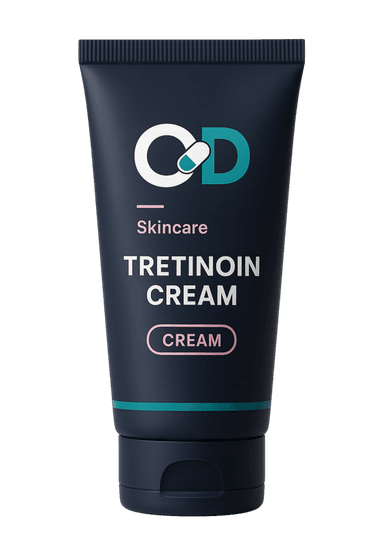
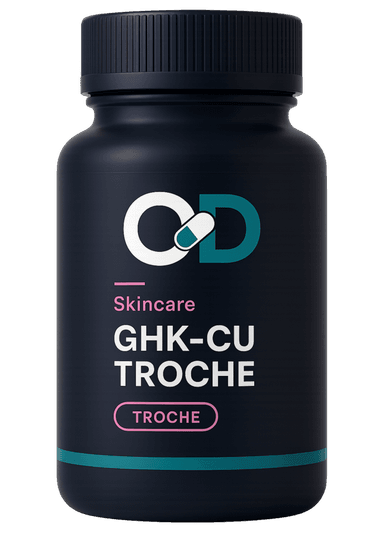
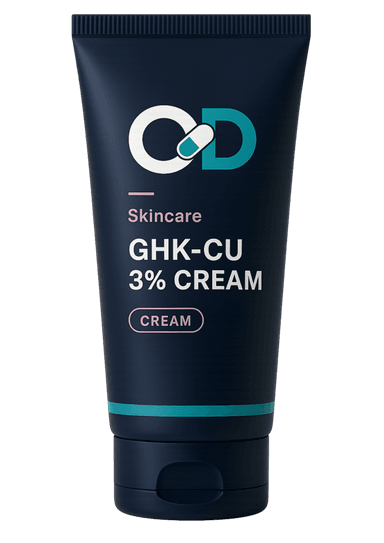
Keep learning
Related guides
How the skin barrier works: the stratum corneum and its lipids
A plain-language look at the biology of the skin's outer layer — how flattened corneocytes and a ceramide-rich lipid matrix are understood to seal in water and hold irritants out.
What is hyaluronic acid?
A plain-language look at hyaluronic acid as a water-binding glycosaminoglycan — how it is built, how it holds water, and its role in the dermal extracellular matrix.
How tretinoin works: retinoids and skin cell turnover
A plain-language look at the biology of retinoids — how tretinoin engages retinoic-acid receptors and is understood to influence how the skin renews itself.