
Ondansetron (Zofran)
Ondansetron 4–8 mg Tablets
A prescription anti-nausea tablet often used to manage treatment-related nausea, including during GLP-1 therapy. Provider review required before dispensing.
Rx only — requires provider review
$39.00
Included in this price
- Provider review of your intake
- Licensed U.S. pharmacy fulfillment
- No membership or visit fees — ever
- Support from a real person
Strength
Purchase option
Supply
- A licensed U.S. provider reviews your intake before anything ships.
- No charge if a provider declines — refunded in full.
- Filled by a licensed U.S. pharmacy.
- Typically ships within 1–2 business days of approval, then 3–5 business days in transit — shipping details.
- Free shipping on orders $200+.
Ondansetron (Zofran) · 4 mg · 30 count
$39.00
The science
About Ondansetron (Zofran)
Ondansetron — widely known by the brand name Zofran — is a prescription anti-nausea tablet. It works by blocking serotonin (5-HT3) receptors involved in triggering the nausea reflex, calming the signals that make you feel queasy.
In a weight management context, it is most often prescribed to help patients manage treatment-related nausea, including the stomach upset some people experience when starting or adjusting GLP-1 medications. The goal is comfort and consistency — making it easier to stay on your primary treatment plan.
It is prescribed and used under medical supervision as part of your overall care. OpenDoseRx treatments are dispensed only after a licensed provider reviews your health intake and determines a prescription is appropriate for you.
How ordering works
From your dose to your door
- 1
Choose your strength
Pick the exact dose and pack size. You see the price before you commit — nothing is hidden until checkout.
- 2
A provider reviews your intake
Complete a short medical intake. An independent, licensed U.S. provider decides if it's appropriate — and if they decline, you're refunded in full.
- 3
Compounded and shipped
Approved orders are prepared by a licensed U.S. pharmacy — typically shipped within 1–2 business days of approval, then 3–5 business days in transit to your door.
Common questions
Your questions, answered
Pairs well with
Related treatments
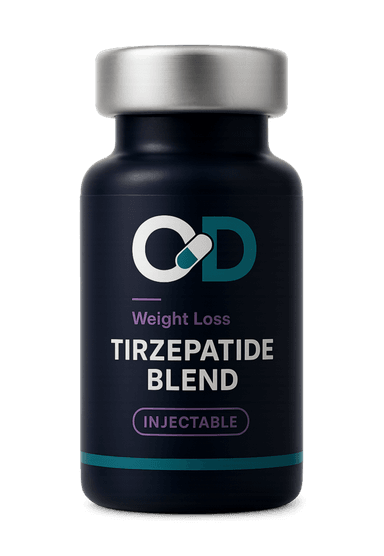
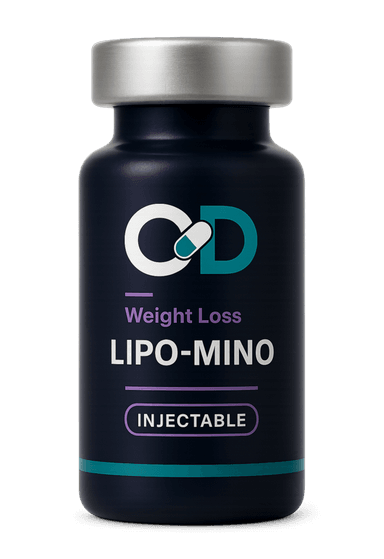
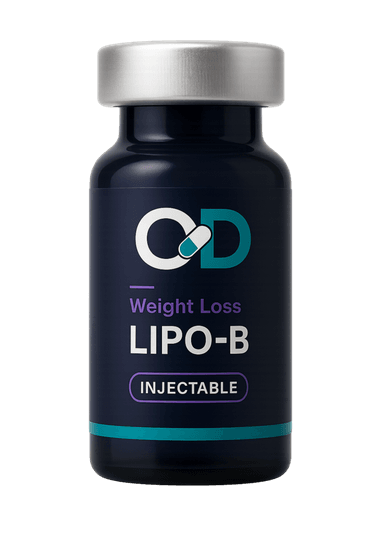
Keep learning
Related guides
How ondansetron (Zofran) is understood to work: the 5-HT3 pathway
A plain-language look at how ondansetron, an antiemetic often discussed alongside GLP-1 tolerability, is understood to act on the serotonin 5-HT3 pathway in the gut and brainstem.
Semaglutide vs. tirzepatide: how GLP-1 and GIP/GLP-1 medications differ
A neutral, mechanism-focused comparison of two prescription incretin medications and the gut-hormone receptors they act on.
How GLP-1 medications interact with appetite and digestion
A neutral, mechanism-focused look at how GLP-1 receptor agonism engages the gut-brain satiety axis and the gastric-emptying signals tied to hunger and fullness.