Guide
How the body stores and burns fat: lipogenesis and lipolysis
 Discussed in this guideSemaglutideComing soon
A plain-language look at the two opposing processes the body is understood to use to store energy as fat and release it again, and the hormones that tip the balance between them.
On this page
Two sides of energy balance
The body is understood to manage its energy reserves through two opposing processes. Lipogenesis is the term for building and storing fat, and lipolysis is the term for breaking stored fat back down so it can be used. Most of that stored energy sits inside fat cells, called adipocytes, packaged in a chemical form known as a triglyceride. Thinking of these two processes as a continuous back-and-forth, rather than a one-way street, is the clearest way to understand how the body handles energy.
A triglyceride is a single storage molecule made of a glycerol backbone joined to three fatty acid chains. Fatty acids are energy-dense, so bundling them into triglycerides lets the body hold a large amount of fuel in a compact, relatively stable form. When energy is plentiful, the pathways that assemble and store triglycerides tend to be favored. When energy is being demanded, the pathways that take them apart tend to be favored.
Neither process is inherently good or bad; both run in every healthy body every day, shifting from hour to hour with eating, fasting, rest, and activity. What follows describes how researchers understand each pathway to work and what signals are thought to switch the body between storing and releasing fat. This article is educational and describes biology in general terms; it is not medical advice.
How the body is understood to store fat: lipogenesis
Lipogenesis draws on two broad sources. The first is dietary fat. Fat eaten in food is broken down in the gut into fatty acids and smaller fragments, absorbed, and repackaged into transport particles that circulate in the blood. At the surface of fat and muscle tissue, an enzyme called lipoprotein lipase frees the fatty acids from these particles so nearby cells can take them up. Inside an adipocyte, those fatty acids can be re-joined to a glycerol backbone and stored as a triglyceride in a large internal droplet.
The second source is de novo lipogenesis, a phrase meaning fat made 'from new.' When the body takes in more energy than it is using, particularly from carbohydrate, it can convert the surplus into fatty acids. In this pathway a building block called acetyl-CoA is committed to fat synthesis by the enzyme acetyl-CoA carboxylase, and the enzyme fatty acid synthase then assembles the fatty acid chains. This process is understood to occur substantially in the liver, with the resulting fats exported and ultimately available for storage.
Insulin is the hormone most associated with this storage mode. Released after eating, insulin is understood to promote the uptake of nutrients into cells and to favor the enzymes that build and retain triglycerides, while quieting the machinery that breaks fat down. In this way, the fed state is generally tilted toward lipogenesis. The overall direction over days and weeks reflects the running balance between energy taken in and energy used.
How the body is understood to release fat: lipolysis
Lipolysis is the disassembly of stored triglycerides. It is carried out by a sequence of enzymes inside the fat cell. Adipose triglyceride lipase is understood to make the first cut, hormone-sensitive lipase continues the process, and monoglyceride lipase finishes it. Step by step, the triglyceride is hydrolyzed back into its parts: three free fatty acids and one glycerol molecule. The free fatty acids can then leave the fat cell, travel through the blood bound to the protein albumin, and reach tissues that need fuel.
This release is tightly regulated by signals of energy demand. Catecholamines such as epinephrine and norepinephrine, along with the hormone glucagon, are understood to bind receptors on the fat cell and set off an internal cascade involving a messenger called cyclic AMP and an enzyme called protein kinase A. That cascade activates the lipases and unlocks the surface of the lipid droplet, which is normally shielded by coat proteins called perilipins. Fasting, physical activity, and stress are conditions in which these mobilizing signals tend to rise.
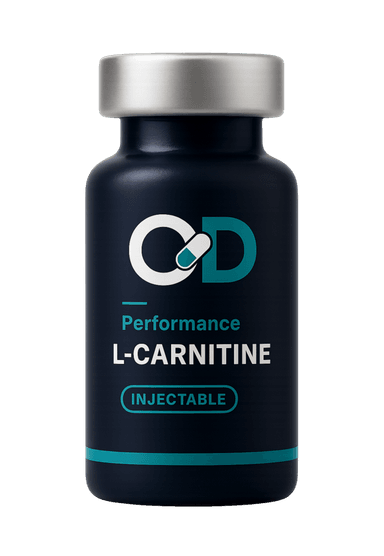
Once a free fatty acid reaches a cell that will use it, it is activated and then must be carried into the mitochondria, the cell's power plants, to be burned. That transport step depends on a shuttle system built around a molecule called carnitine, which ferries long-chain fatty acids across the mitochondrial membrane. Inside the mitochondria the fatty acid undergoes beta-oxidation, a stepwise process that yields acetyl-CoA and, through downstream reactions, the cell's usable energy currency. This is what people are describing informally when they refer to the body 'burning' fat.
The hormonal switch between storing and burning
The choice between lipogenesis and lipolysis is understood to be governed largely by hormones that report on the body's current energy status. Insulin is the dominant storage signal: it rises after meals and generally shifts the balance toward building and keeping triglycerides while suppressing their breakdown. When insulin is high, the fat cell tends to hold onto its contents.
The mobilizing signals push in the opposite direction. As insulin falls during fasting or between meals, and as glucagon and catecholamines rise, the balance is understood to tip toward lipolysis, releasing fatty acids for tissues to use. Other hormones, including cortisol and growth hormone, also participate in how and when fat is mobilized. Rather than an on-off switch, it is better pictured as a dial that these signals continuously adjust.
Because both pathways run all the time, whether the body is a net storer or a net releaser of fat over time is understood to depend on the overall balance of energy taken in versus energy used, integrated across many meals and many days. Individual biology, health conditions, medications, sleep, and activity all influence where that balance settles, which is one reason no single article can describe what is happening in any particular person.
Where medications and nutrients are studied in this picture
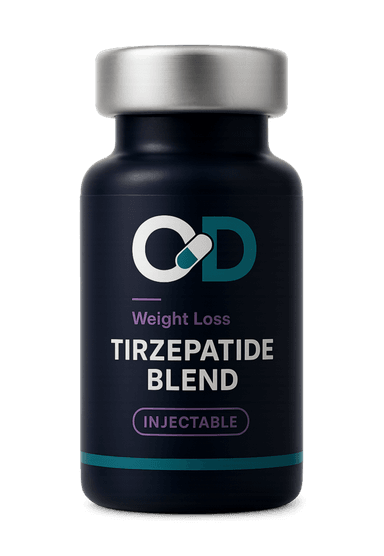
Several prescription products and nutrient compounds are studied in relation to these pathways, and it is worth being precise about mechanism rather than outcome. GLP-1 receptor agonists such as semaglutide, and dual GIP/GLP-1 receptor agonists such as tirzepatide, act on gut-hormone receptors involved in insulin signaling, gastric emptying, and appetite. They are studied in the context of energy balance and metabolic health; they are not described here as causing any particular result.
So-called lipotropic preparations contain compounds like methionine, inositol, and choline, which are molecules involved in how the liver processes and moves fat. L-carnitine is the nutrient at the center of the mitochondrial shuttle described earlier, involved in transporting long-chain fatty acids to the site where they are oxidized. Describing what a molecule participates in biochemically is different from claiming it produces an effect, and this article makes only the former kind of statement.
Some of these products are prepared as compounded medications. Compounded medications are not FDA-approved drugs, and statements about them have not been evaluated by the FDA. Whether any product is appropriate for a given person is a clinical decision made by an independent licensed provider after reviewing that person's medical intake, not something an educational article can determine. On OpenDoseRx, a product is only dispensed by a licensed U.S. pharmacy if a provider determines it is appropriate.
This guide is educational, not medical advice
The purpose of this article is to explain, in general terms, how the body is understood to store energy as triglycerides and release it again as fatty acids, and which hormones are thought to tip that balance. It does not diagnose, recommend, or describe what will happen for any individual, and it intentionally avoids dosing, schedules, and efficacy claims.
Metabolism is complex and varies from person to person. Any decision about medications, supplements, or a health plan should be made with a licensed healthcare provider who can consider your full history. If you have questions about your own metabolic health, that conversation belongs with your provider rather than with a general explainer like this one.
Common questions
- What is the difference between lipogenesis and lipolysis?
- They are opposite processes. Lipogenesis is how the body is understood to build and store fat by assembling fatty acids into triglycerides inside fat cells. Lipolysis is how those stored triglycerides are broken back down into free fatty acids and glycerol so they can be used for energy.
- What hormones control whether the body stores or releases fat?
- Insulin is generally described as the main storage signal, rising after meals and favoring fat storage. Mobilizing signals such as glucagon and the catecholamines epinephrine and norepinephrine tend to rise during fasting, activity, or stress and are understood to favor the breakdown and release of stored fat.
- What are triglycerides and free fatty acids?
- A triglyceride is the storage form of fat: a glycerol backbone joined to three fatty acid chains, held inside fat cells. Free fatty acids are the individual chains that are released when a triglyceride is broken down during lipolysis; they travel in the blood and can be taken up by tissues and oxidized for energy.
- Does a medication make the body 'burn fat'?
- This article does not make efficacy claims. It describes mechanism only — for example, that certain gut-hormone receptor agonists are studied in the context of appetite and energy balance, and that carnitine is involved in transporting fatty acids into mitochondria. Whether any product is appropriate is a decision made by a licensed provider, and compounded medications are not FDA-approved.
On the way
Semaglutidefrom $279.00
- Your exact strength
- Licensed provider review
- Full refund if declined
Also relevant
Exact strengths and prices up front — a licensed provider reviews every request.
Browse weight loss & glp-1 therapy
Exact strengths and prices up front — reviewed by a licensed U.S. provider.
Keep reading
More plain-language guides on this topic.
Semaglutide vs. tirzepatide: how GLP-1 and GIP/GLP-1 medications differ
A neutral, mechanism-focused comparison of two prescription incretin medications and the gut-hormone receptors they act on.
How GLP-1 medications interact with appetite and digestion
A neutral, mechanism-focused look at how GLP-1 receptor agonism engages the gut-brain satiety axis and the gastric-emptying signals tied to hunger and fullness.
Oral vs. injectable GLP-1 medications: how the routes differ
A neutral, mechanism-focused look at how injecting a GLP-1 peptide under the skin and absorbing one by mouth differ in absorption and bioavailability.
This guide is for general education and is not medical advice. Compounded medications are not FDA-approved drugs, and statements on this site have not been evaluated by the FDA. A licensed provider reviews every prescription request.